
‹ References
Results
Net production +15%
CO2 −28%
Industry: Food
Wasa crispbread was founded in 1919 and has been part of Barilla since 1999. Ever since the beginning, sustainability work has been important for the factory.
The first step was full compensation for CO2 emissions.
Wasa works with everything from raw materials to manufacturing to reduce CO2 emissions.
The problem
Production variations and waste limited profitability and sustainability
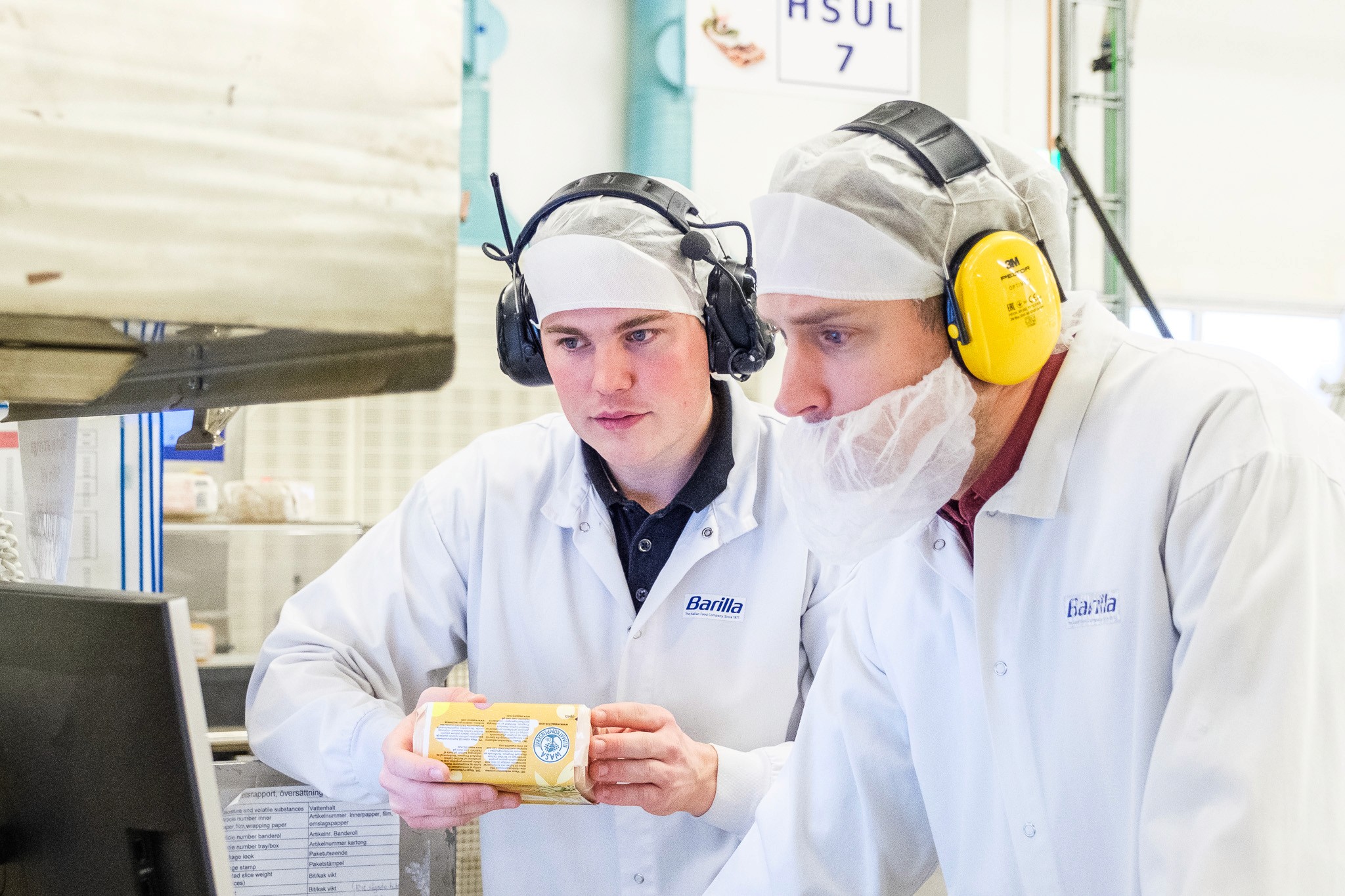
Wasa's new production management group focused on stabilising production efficiency, reducing downtime and waste. For example, the summer months were challenging, when there were more temporary employees, which resulted in large variations in how much crispbread could be produced.
In addition, production waste was a problem; inefficient utilisation of raw materials and unplanned stoppages resulted in production losses, higher costs and increased CO2 emissions.
Manual processes and outdated improvement methods limited the team and did not deliver the results required to create the right competitive advantages and achieve sustainability goals.
"Before we started working in the new way, we had problems with inefficiency, especially during the summer when staff turnover peaked. We definitely needed to make several changes to improve our competitiveness and meet our sustainability and profitability goals", says Niklas Nyysti, production manager.
The solution
Working with data-driven decision-making reduces waste and resource use
Barilla Wasa embarked on a change journey and began adopting a new, systematic approach focused on data-driven decision-making and continuous improvement (PDCA) to reduce waste.
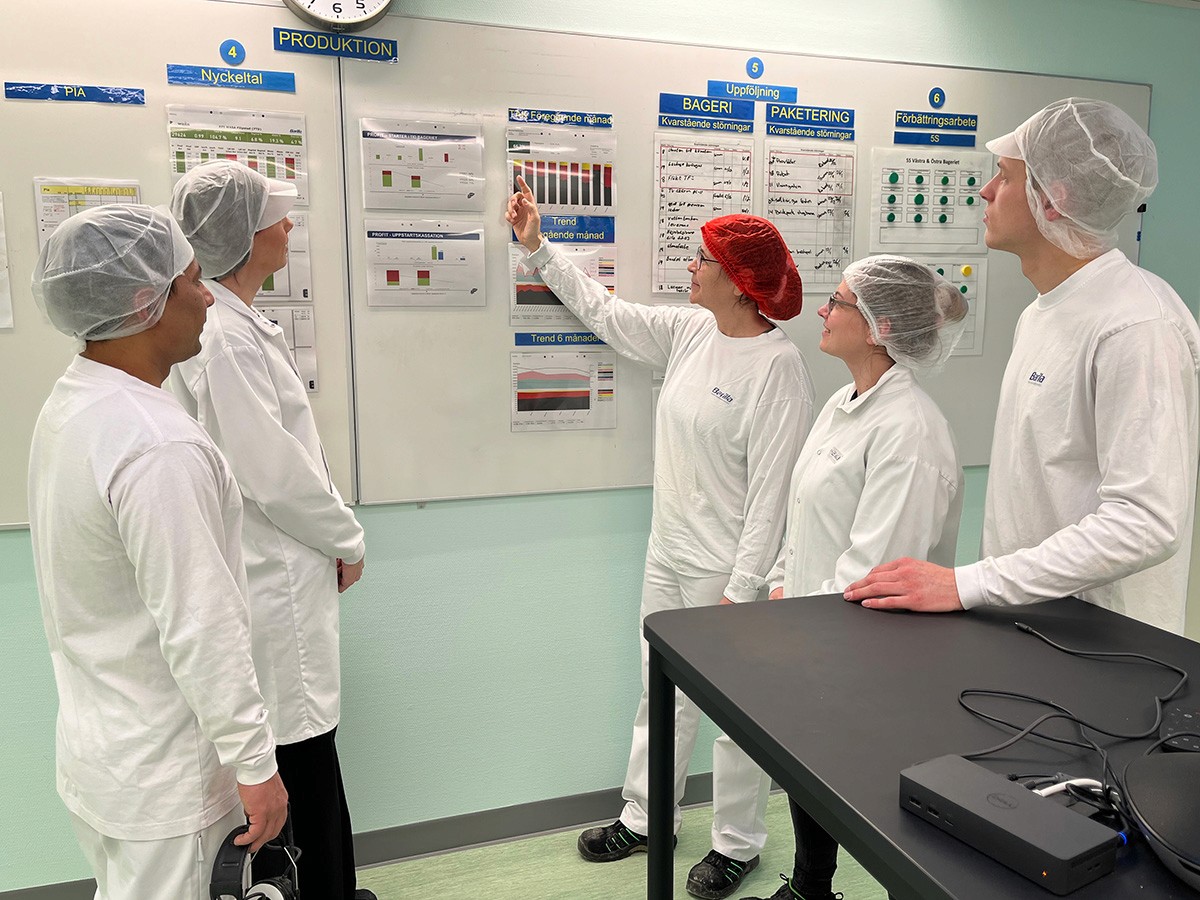
A large part of this is moving from a reactive to a proactive mindset. Production data began to be used at all levels of decision-making, from machine operators to maintenance and factory management.
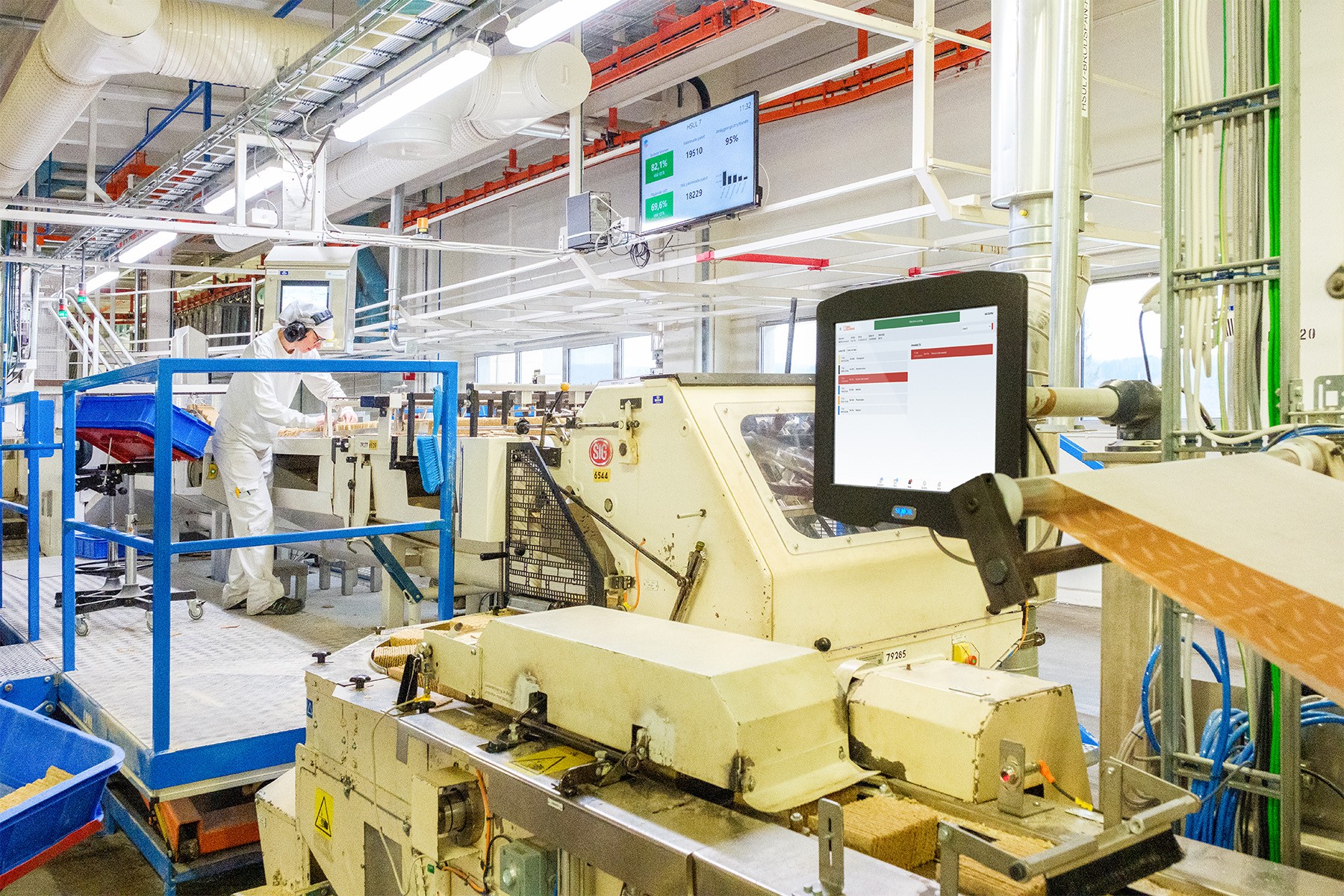
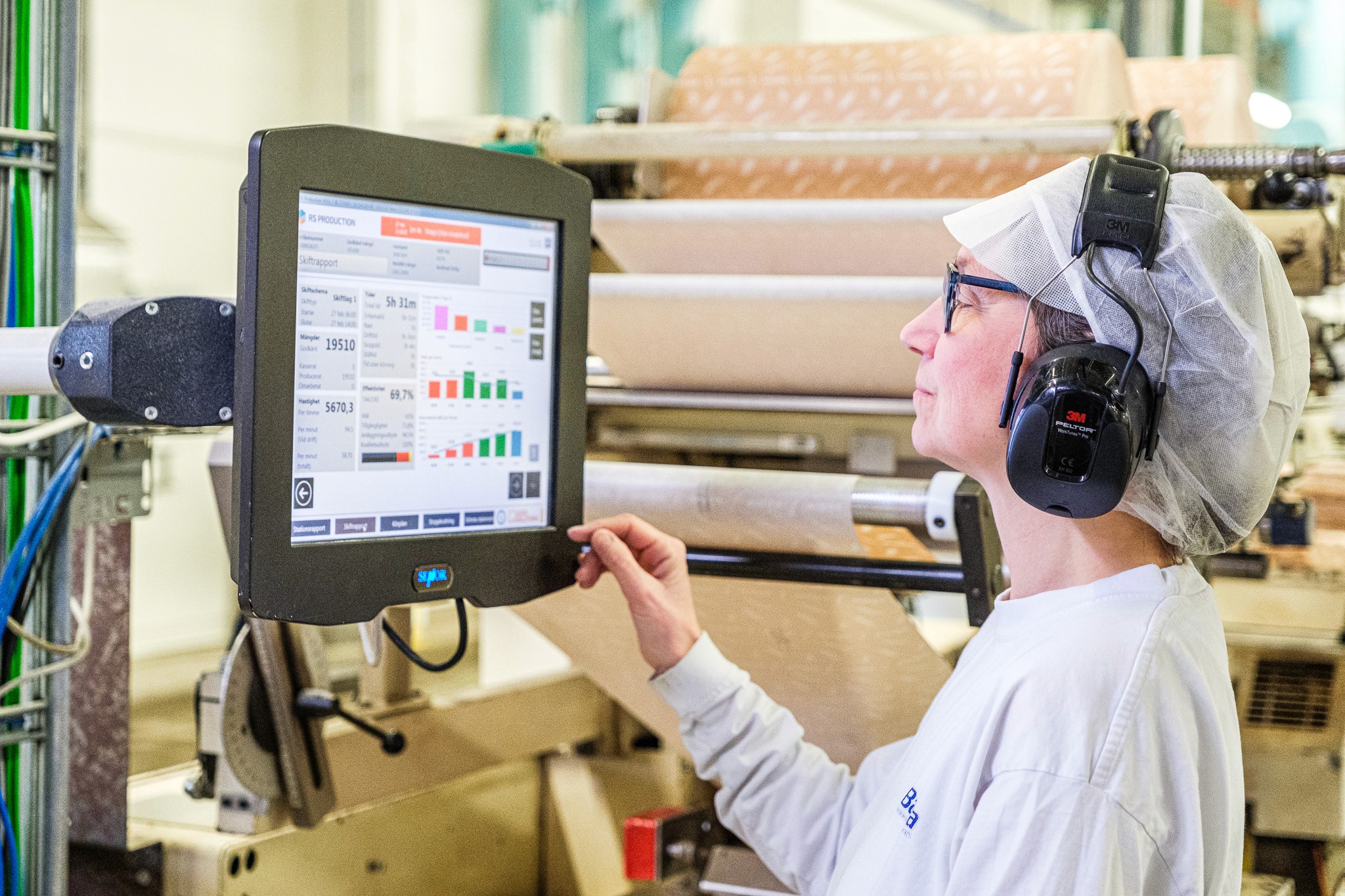
A key for the team was to use Good Solutions' screens feature, which clearly displays relevant production data in real time throughout the production process. This working method contributed to increased transparency and helps create a culture where continuous improvements are a natural part of everyday life. It also encourages a healthy, moderately competitive culture – but above all it ensures that everyone has a handle on the current situation and goals.
Using data and visual reports from Good Solutions' platform to make decisions in everything from improvement work to daily shift handovers to production meetings has moreover enabled Wasa to give operators the ability to make more decisions themselves, based on clear guidelines, which has created greater engagement and reduced unnecessary micromanagement.
"We adopted a new working method, with a focus on data-driven decision support and systematic improvements. By implementing the Good Solutions platform and using production data as the factual basis for decision-making at all levels, our transition toward a more sustainable and profitable production is being driven", says Billy Dahlgren, packaging manager.
The result
Increases net production by 15% while simultaneously reducing CO2 by 28%
Barilla Wasa's strategic changes have yielded impressive results: net production increased by 15%, and CO2 was reduced by 28%.
Since Wasa began working data-driven with Good Solutions to identify and understand production stoppages in detail and reduce them, the team has lowered downtime by 22%, increased utilisation from 75% to 94%, and reduced product waste by 15%.
The results demonstrate the effectiveness of the new way of working. A more profitable and sustainable factory that uses fewer resources, such as ingredients and energy, to produce the same amount of crispbread.
The success story of Barilla Wasa is proof of the power of embracing change, working with innovative solutions and fostering a culture of data-driven decisions, transparency and sustainability.
"Introducing digital screens above our packaging machines turned out really well, after we updated the content to show the data that is most relevant to us. It creates a healthy competitive spirit among our teams to achieve the efficiency and sustainability goals. Transparency has really helped us work together as a team", says Billy.
"The results speak for themselves – a 15% increase in net production while reducing CO2 usage by 28% is fantastic. It was a record year for us within the Barilla group, proving that remarkable improvements can be achieved with the right focus and innovation", concludes Niklas.
© 2026 Good Solutions Sweden AB